Santa Rosa Beach Condo vs Home: Condo, Cottage, or Townhome?
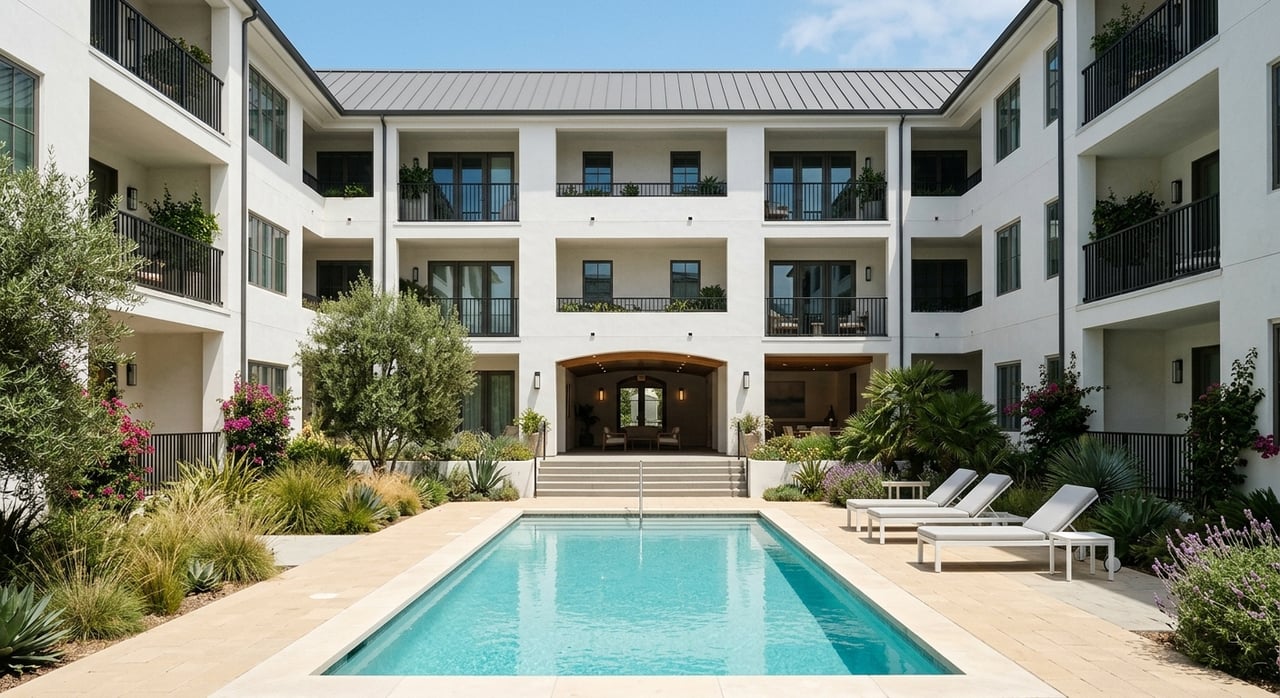
Trying to choose between a condo, cottage, or townhome in Santa Rosa Beach? That decision can shape how much time you spend on upkeep, how flexible your rental plans are, and how predictable your costs feel over time. If you are buying a second home or a light investment property in the 30A corridor, it helps to understand how Walton County rules, association structure, and parking realities affect each option. Let’s dive in.
In Santa Rosa Beach, your choice is not just about style or square footage. It also affects maintenance responsibility, short-term rental compliance, association oversight, and how easy the property is to use when you are not in town.
Because Santa Rosa Beach is in unincorporated Walton County, county rules play a major role in short-term rental operations. Walton County allows short-term vacation rentals in many zoning districts, but properties must meet standards for compatibility, scale, parking, occupancy, and design.
That matters whether you plan to rent often, rent occasionally, or simply want the option later. The county also requires annual short-term rental registration for many properties, with a current fee of $300 per property and a $500 per day penalty for operating without registration.
A condo is usually the easiest option for lock-and-leave ownership. If you live out of market and want a property that feels more turnkey, condos often reduce the amount of day-to-day exterior maintenance you handle yourself.
That convenience comes with more association structure. In many condo communities, the association handles shared building responsibilities, but owners should expect more oversight, more documentation, and closer review of budgets and reserves.
For many second-home buyers, the biggest appeal is convenience. Shared maintenance responsibilities can make a condo easier to manage from a distance, especially if you want a coastal property without caring for a yard, exterior finishes, or many building systems on your own.
This can be especially appealing in a coastal setting, where roofs, waterproofing, windows, doors, and exterior finishes can be expensive to maintain. A condo may shift more of that work into the association structure, which can simplify ownership from a practical standpoint.
Florida condo law requires detailed annual budgets. For residential condominium buildings that are three habitable stories or higher, state law also requires a structural integrity reserve study every 10 years covering major systems such as the roof, structure, fire systems, plumbing, electrical, waterproofing, exterior paint, windows, and exterior doors.
In coastal areas, local enforcement may move the milestone inspection trigger earlier to 25 years because of salt-water proximity. If you are considering an older condo in Santa Rosa Beach, ask for the current reserve study and milestone inspection status before you get too far down the road.
In Walton County, condos are excluded from the county short-term rental certification process. Still, condo owners must register with the Florida Department of Revenue, the Florida Department of Business and Professional Regulation, and the county tourist development tax program if they plan to rent.
If you are looking at a condo as a light investment, do not assume fewer county certification steps means fewer rental obligations overall. You still need to verify tax registration, community rental rules, and ad requirements before making a decision.
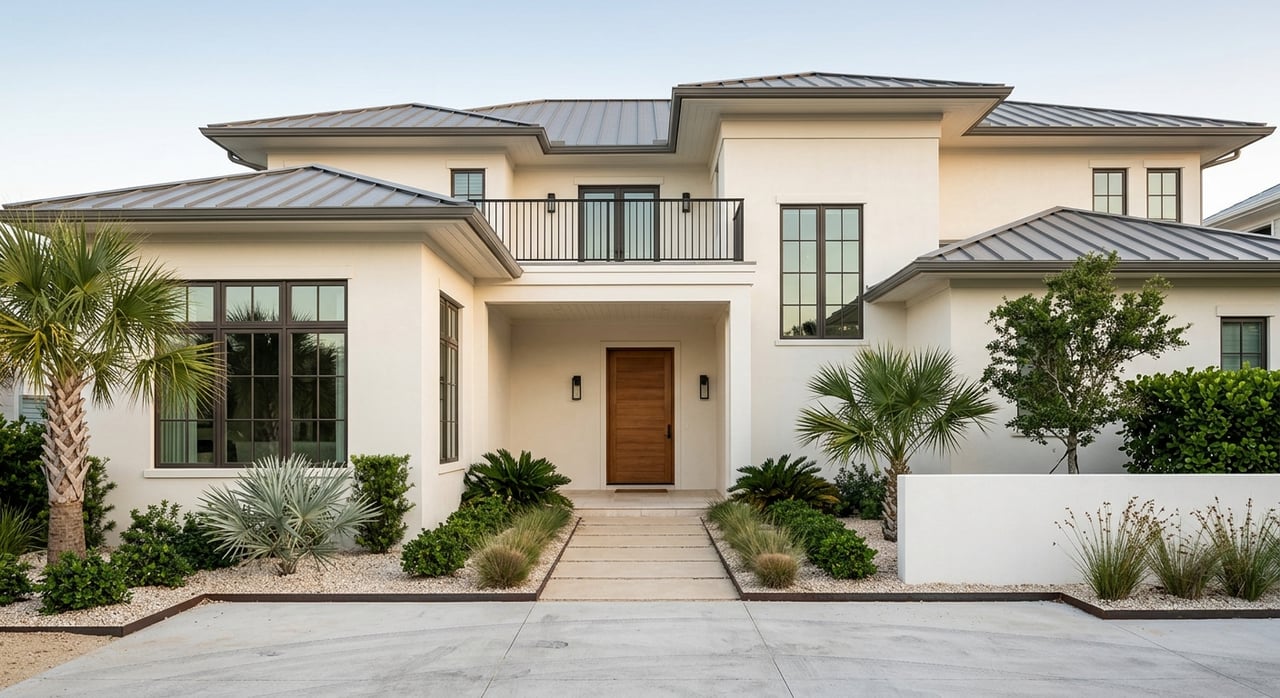
A beach cottage is usually the most house-like option. If you want more privacy, more outdoor space, and a property that feels like a true second home, a cottage often delivers that experience better than a condo or many townhomes.
That extra freedom usually comes with more owner responsibility. Unless the homeowners association documents assign some exterior tasks elsewhere, you will likely carry more responsibility for the yard, exterior, and building systems.
For buyers who want a more independent ownership experience, cottages often feel like the best fit. You may have more separation from neighbors, more room for outdoor living, and a setup that feels less like a managed resort property.
That can be a big plus if your goal is personal use first. It can also work well if you want a second home that doubles as an occasional rental, as long as the property and community support that plan.
If the cottage is in an HOA, Florida Chapter 720 generally applies. Under state law, HOA budgets may include reserve accounts for capital expenditures and deferred maintenance, but in some situations owners can vote to provide no reserves or less reserves than the budget would otherwise include.
That makes cottage ownership more flexible than condo ownership in many communities, but also more dependent on the specific neighborhood documents. Two cottages with a similar look can have very different cost structures and rental rules depending on the HOA.
For light investors, cottages bring a few practical questions to the front. Does the lot support enough parking, does the neighborhood allow your intended rental pattern, and could any expansion or conversion trigger county compatibility review?
Walton County says new construction, conversions, or expansions may require that review. The county also requires short-term rental ads to match approved occupancy and parking, and code compliance actively enforces parking rules in the 30A corridor and at beach-access lots.
Townhomes often land in the middle on space, upkeep, and cost structure. For many buyers, they offer a useful balance between the lower-maintenance feel of a condo and the extra space of a cottage.
The key point with townhomes is that the legal form matters more than the exterior look. Some townhomes are fee-simple homes in an HOA, while others are legally condominium units.
That legal distinction drives a lot of what ownership will feel like. A townhome governed primarily by Chapter 720 may have a different reserve structure, maintenance split, and level of association control than a townhome governed by Chapter 718.
So when you compare townhomes, do not stop at dues or bedroom count. Ask whether the property is legally a condo or an HOA townhome, because that answer affects how you evaluate reserves, maintenance obligations, and rules.
If you want more room than many condos offer but do not want the full responsibility of a detached cottage, a townhome can be a strong middle-ground choice. That mix can work well for part-time owners who want enough space for guests without taking on every exterior task themselves.
For light investors, townhomes can also be practical if the parking setup is strong and the governing documents support the intended rental use. If parking is tight, though, that can become a real issue in this market.
If you plan to rent your Santa Rosa Beach property for stays of six months or less, taxes and compliance should be part of your buying decision from day one. In South Walton, including ZIP code 32459, those stays are subject to 6% Florida sales tax, 1% Walton County discretionary sales tax, and 5% South Walton tourist development tax, for a total of 12%.
Walton County also says the taxable base includes mandatory nonrefundable fees such as cleaning, pet, resort, and amenity charges. That means your underwriting should account for the full tax load before management fees, HOA dues, insurance, and repairs.
The county also notes that no booking platform remits the tourist development tax for the owner. If rental income is part of your plan, this is not a detail to gloss over.
The best property type usually comes down to how you want to use the home. Most buyers are balancing three things: maintenance burden, rental flexibility, and community rules.
Here is a simple way to think about it:
In Santa Rosa Beach, parking deserves extra weight in that decision. Because Walton County actively enforces parking rules along 30A and at beach-access areas, a property with weak parking can create ongoing friction for owners and guests.
Before you commit to a condo, cottage, or townhome, work through these items carefully:
A careful review on the front end can save you from buying the wrong fit for your lifestyle or investment goals. In this market, the details behind the property often matter just as much as the view.
If you are weighing the tradeoffs between a condo, cottage, or townhome in Santa Rosa Beach, local guidance can make the process much clearer. Howard B Dolgoff offers tailored, principal-led support for second-home buyers and investors who want to match the right property type to their goals.
Stay up to date on the latest real estate trends.
Our team of professionals will be with you every step of the way, from preparing your home for the sale to handing the keys to the new buyer.