Miramar Beach Gulf Front vs View: How to Choose
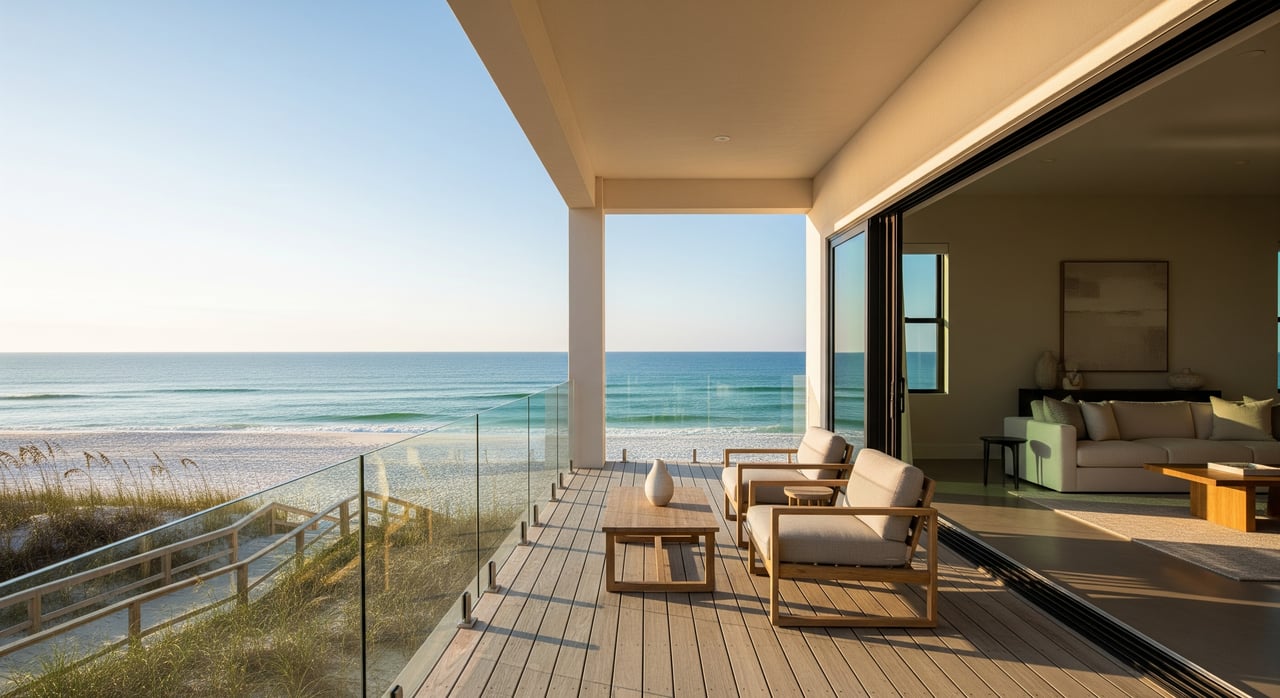
Is the sound of waves worth paying for direct sand access, or would a panoramic view from across Scenic Gulf Drive suit you just as well? If you are eyeing Miramar Beach for a second home or short-term rental, this is one of the biggest choices you will make. The right answer depends on how you plan to use the property, what you expect from rental income, and how you feel about maintenance and insurance costs.
This guide breaks down what “gulf-front” and “gulf-view” actually mean in Miramar Beach, how premiums and rental appeal play out locally, and what to check before you buy. You will also get a practical side-by-side checklist you can use when comparing two listings. Let’s dive in.
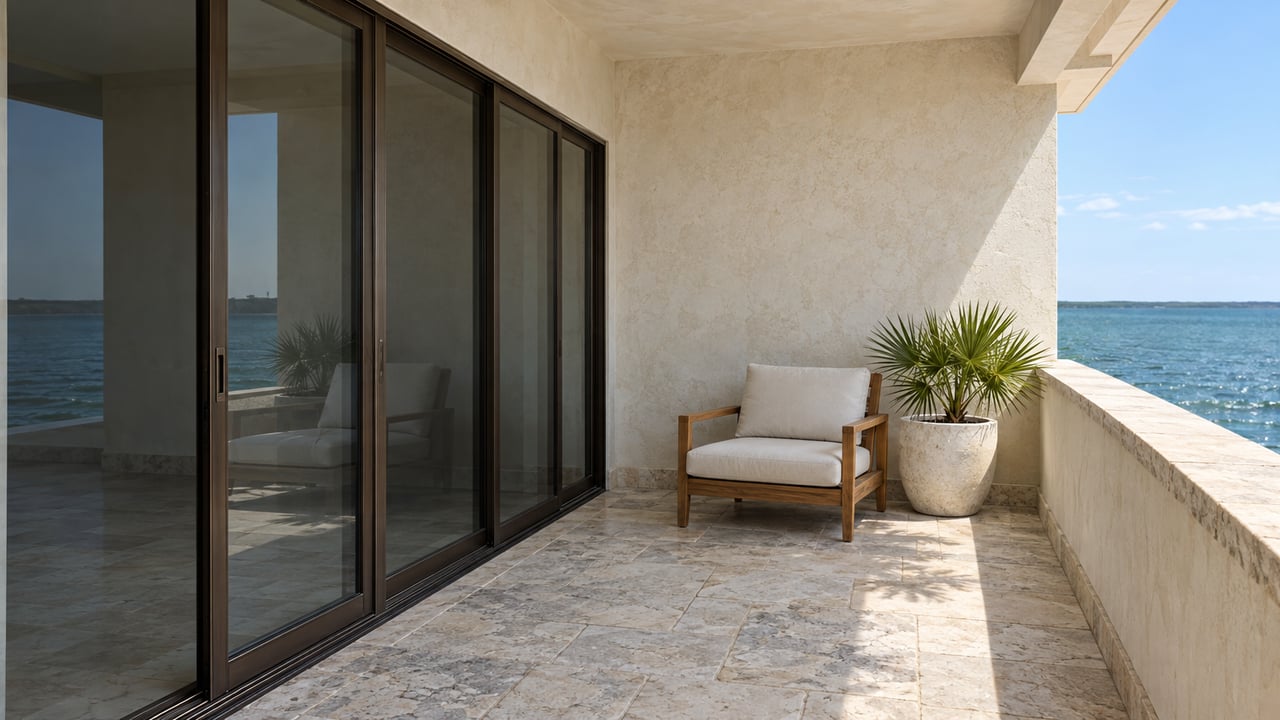
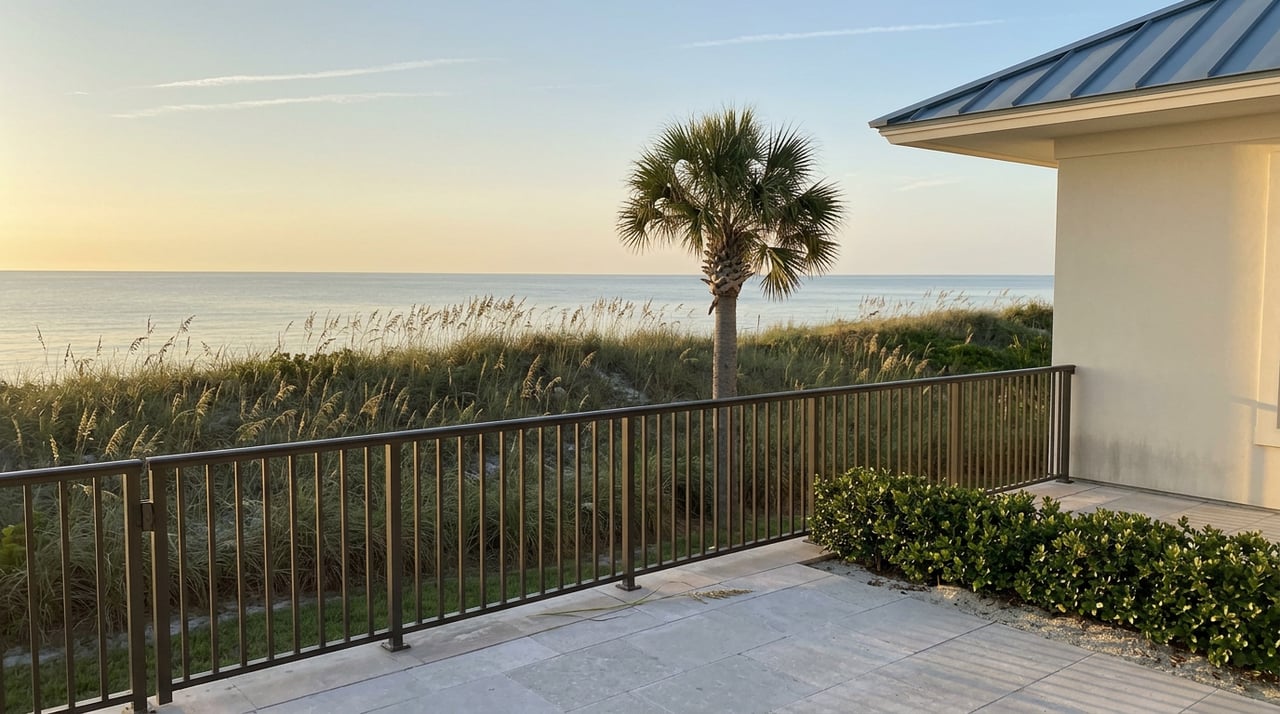
A true gulf-front property sits directly on the Gulf of Mexico with no road between the building and the sand. You typically have unobstructed views and direct walk-on access, often via a private or deeded beach walkover. The building is oriented toward the water, with balconies and patios facing the shoreline.
From a legal perspective, you should confirm the location of the mean high-water line, any public beach access or easements in front of the property, and recorded littoral rights. For condos, check how the documents describe the unit’s position and how common areas like walkovers and parking are configured.
A gulf-view property has a clear line-of-sight to the water but is not directly on the beach. In Miramar Beach, this often means a home or condo across Scenic Gulf Drive, a lot set back from the dune line, or a unit in a gulf-side building that is not in the beachfront stack. Views can be full, partial, or distant and often improve on higher floors.
Access can still be convenient. Many gulf-view properties include deeded or shared beach access, but you will likely cross a road or use a shared promenade to reach the sand.
In coastal resort markets like Miramar Beach, direct beachfront typically commands a premium. Buyers and renters pay for unobstructed views, exclusive access, and the first-row experience. That said, premiums vary by building, elevation, finish level, and exactly where the unit sits relative to the dune line and walkovers.
To quantify differences, focus on apples-to-apples comparisons in the same building or immediate area:
Gulf-front units often achieve higher nightly rates and can hold occupancy deeper into shoulder seasons because guests value direct access. Gulf-view options across Scenic Gulf Drive tend to rent at lower price points but can deliver compelling returns if the purchase price and ongoing costs are proportionally lower. Focus on total yield after HOA fees, insurance, and maintenance, not just nightly rate.
Salt spray speeds up corrosion and weathering. Expect more frequent exterior painting or coatings, the need for corrosion-resistant fasteners and hardware, and closer attention to balconies, railings, and impact-rated windows and doors. HVAC components exposed to salt air may require more frequent service and earlier replacement. Materials and siting choices matter.
Gulf-front properties are typically lower in elevation and closer to surge and wave action, so flood exposure can be higher. Always check FEMA Flood Insurance Rate Maps and request elevation certificates. Review the beach’s history for erosion and renourishment activity, and confirm whether the building has wind and impact protection that aligns with current codes or retrofit standards.
Gulf-front properties usually carry a more complex insurance mix that can include windstorm, flood, and master policies for condos. Premiums and deductibles can be higher given proximity to the water and replacement-cost assumptions. For rentals, higher insurance and upkeep can reduce net income, so get firm quotes for specific addresses before you compare returns.
Being seaward of Scenic Gulf Drive can reduce road noise and make the beach feel like your backyard. On busy summer evenings, you may notice more sound and activity from the beach itself. Privacy varies with building setbacks, dune height, and how close public access points are located.
Across-street properties can experience roadway noise, delivery traffic, and pedestrian crossings, especially near public access points. Many buyers accept this trade-off for a better purchase price. Elevation, landscaping, and sound-attenuating windows can help.
Use this to compare a gulf-front option against a gulf-view alternative along Scenic Gulf Drive.
Location and access
View and obstruction
Price and comps
Rental potential
Operating costs
Risk and resilience
Noise and privacy
Building and HOA (condos)
Inspection and systems
Resale and liquidity
Choose gulf-front when you want the first-row experience, direct sand access, and the strongest, most reliable views. It can also make sense for premium rental positioning if your numbers support the higher acquisition, insurance, and maintenance costs. If privacy and road noise are top concerns, being seaward of Scenic Gulf Drive may be the better lifestyle fit.
Choose gulf-view when you want strong views at a lower entry price and are comfortable crossing the road or using a shared access. Many buyers and investors prefer the balance of view, location, and operating cost. If your goal is total yield rather than top nightly rates, a well-located gulf-view property can be compelling.
Both gulf-front and gulf-view in Miramar Beach can be excellent choices. The best fit depends on how you weigh lifestyle, rental performance, and long-term operating costs. If you want the most predictable view and beach access, gulf-front usually wins at a higher price. If you want a lower entry point and balanced returns, gulf-view can deliver strong value when managed well.
If you would like a building-by-building comparison along Scenic Gulf Drive, price-per-square-foot analysis, and rental projections tailored to your goals, schedule a conversation with Howard B Dolgoff. Our principal-led, white-glove approach will help you make a confident choice.
Stay up to date on the latest real estate trends.
Our team of professionals will be with you every step of the way, from preparing your home for the sale to handing the keys to the new buyer.