What to Know Before Buying a Santa Rosa Beach Second Home
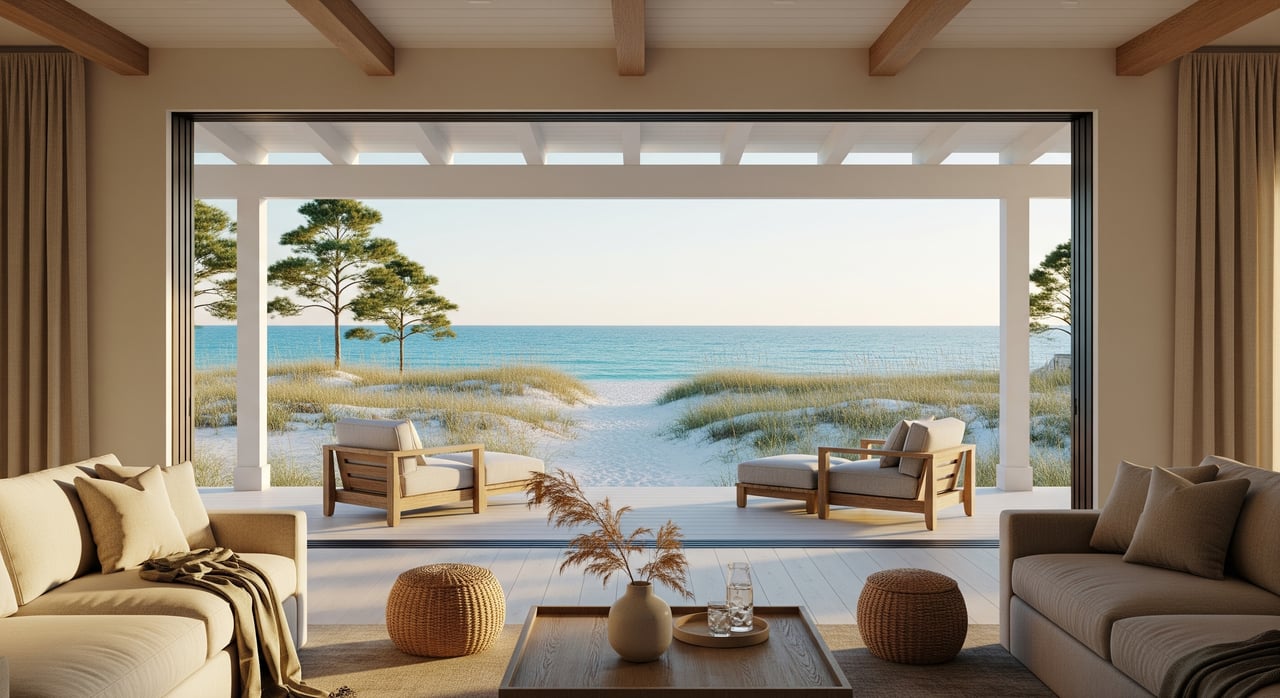
Thinking about a second home that feels like a beach town escape but still works for real life? Santa Rosa Beach sits along Scenic Highway 30A in South Walton, where small coastal villages, walkable town centers, and miles of white-sand shoreline shape your days. If you are early in your search, you probably want the real picture of what daily life, seasons, rules, and costs look like before you commit.
In this guide, you will see how owners spend their time, when the area is busiest, what to know about rentals and insurance, and how to plan for upkeep and access. You will also get practical tips for living well here as a remote owner. Let’s dive in.
Santa Rosa Beach blends a relaxed coastal rhythm with the comforts you expect from a resort area. Your mornings may start with a beach walk, a run or ride on the Timpoochee Trail, or a paddle on a coastal dune lake or bay. After that, you can grab coffee in a village center and browse local shops and galleries.
Dining and casual food options cluster in places like Seaside, Grayton Beach, Seagrove, and WaterColor. For bigger errands and services, you will find more options along nearby commercial corridors in the Miramar Beach and Destin area. Many neighborhoods have active associations, which means well-kept common areas and community events.
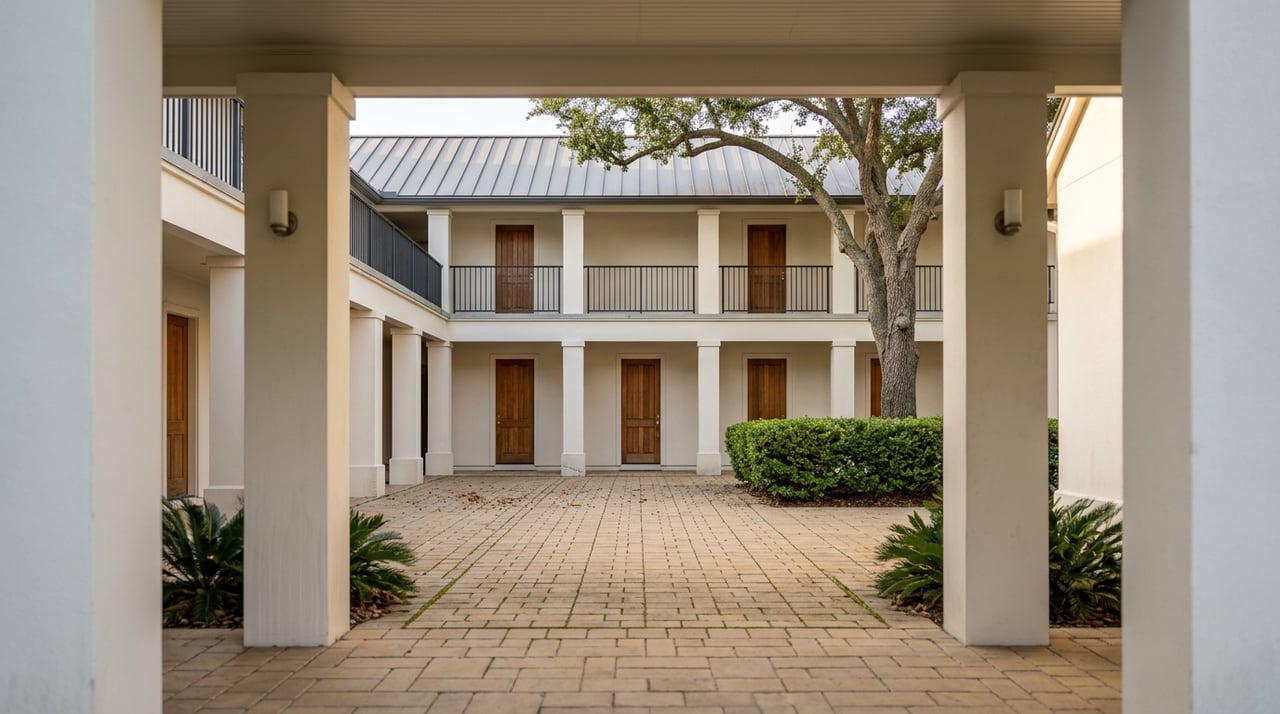
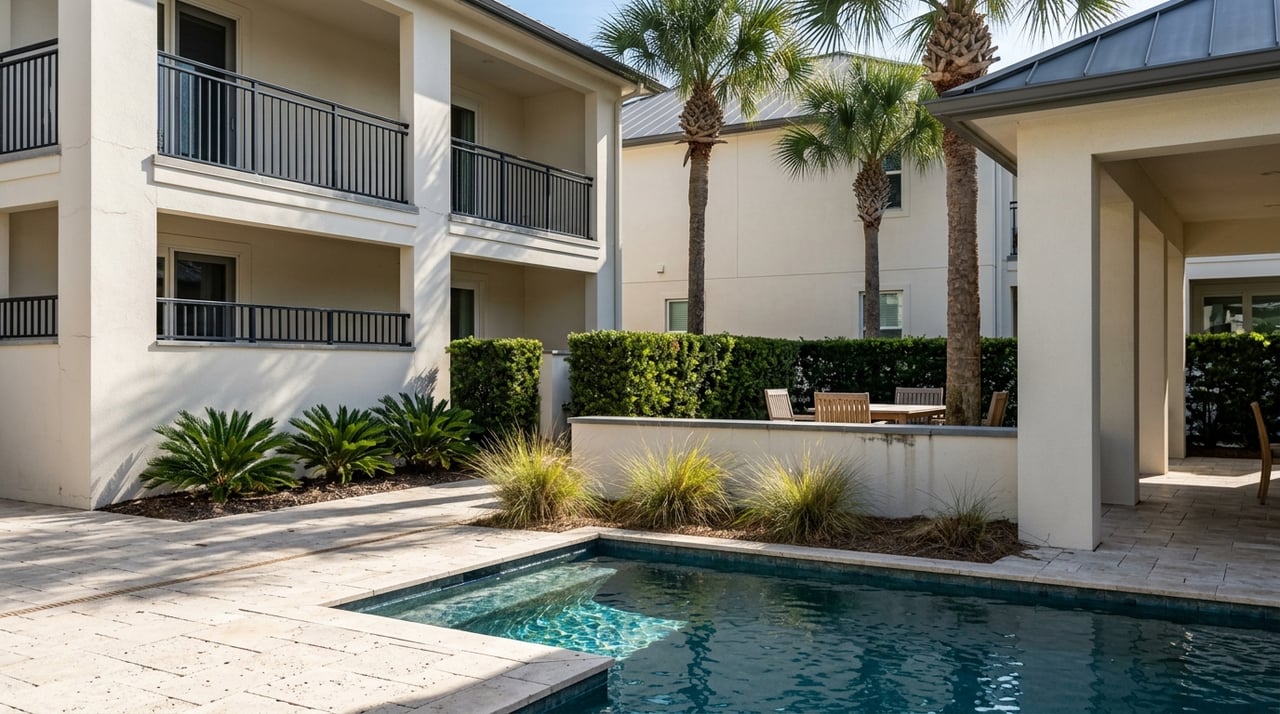
Life along 30A is pedestrian oriented in the villages and more residential inland. You will find a mix of single-family homes, condos, and townhomes, as well as property-owner associations in some developments. Owners often plan days around beach time, bikes, and a late-afternoon return to porches and community gathering spots.
Public beach access points line 30A, and nearby state parks and forests offer trails, fishing, and camping. The Timpoochee Trail is a favorite for biking and running. On the water, you can choose from surf and shore fishing, inshore trips, family boating, and paddle sports on bays and coastal dune lakes.
Peak season runs from late spring through summer, roughly Memorial Day through Labor Day. Expect the highest beach crowds, the most traffic, and strong rental demand during this time. Village centers are lively, and restaurant waits are common.
The shoulder seasons, late winter into early spring and fall, bring milder weather and lighter crowds. Fall is still within hurricane season and can be a slower tourism period, which many owners like for personal use. Winter months are quieter, with cooler days and some reduced visitor services.
Festivals and community events pop up throughout the year and can create brief spikes in demand. Plan your personal trips and guest stays with these cycles in mind.
You can choose from beachfront single-family homes, gulf-front and dune lake properties, resort-style condos and townhomes, and inland residences. The 30A corridor generally commands higher price points than many other Florida markets, driven by limited beachfront supply and lifestyle demand.
Proximity matters. Being close to the beach and inside a named community such as Seaside or WaterColor can raise value. Views, walkability, and amenities often drive both buyer interest and rental performance.
Short-term rentals are common in Santa Rosa Beach, and many owners rent during peak periods. You should confirm registration and tax remittance requirements for vacation rentals in Walton County and the State of Florida. Local communities and HOAs may add rules about occupancy, parking, and check-in or check-out timing.
Florida does not have a personal income tax, but rental income is taxable at the federal level. Vacation rentals are generally subject to state sales tax and local tourist development or bed taxes. Confirm current tax rates and registration steps with the proper county and state offices before you list.
Essential compliance steps usually include registration, adherence to occupancy and parking limits, meeting fire and safety requirements, and timely tax remittance. If you plan to rent, factor in management, cleaning, and maintenance schedules around guest turnover and storm season readiness.
Coastal properties typically require a homeowner policy plus wind or hurricane coverage. If your property is in a FEMA-designated flood zone, separate flood insurance is often recommended or required by lenders. Premiums vary with flood zone and property characteristics, so request quotes early in your search.
Hurricane season runs from June 1 through November 30. Have an annual plan that covers pre-storm prep, evacuation protocols, and post-storm repairs. Many remote owners hire property managers who handle boarding, checks, and vendor coordination.
Beach and dune areas have conservation rules. Some lots fall within setback zones or dune protection areas, and beach renourishment projects can occur from time to time. Before you buy, learn the local rules on vegetation, lighting, and shoreline structures that may affect maintenance and access.
Owning by the Gulf brings special maintenance needs. Salt air can accelerate corrosion on HVAC equipment and hardware, and exterior paint and finishes may need more frequent attention. Budget for routine landscaping and pest control as well.
If your property is within a planned community, account for HOA or property-owner association fees. For rental properties, include management fees and cleaning or turnover costs. Garbage and recycling are typically county managed, although services can vary by development.
Utility setups differ by neighborhood. Some areas have public water and sewer, while others rely on private systems or septic. Confirm water, sewer, and power providers for any home you are considering.
Local property management firms can handle marketing, guest services, cleaning, turnover, maintenance, storm prep, and emergency calls. Fees are often a percentage of rental revenue or a flat structure based on services.
Smart-home tools help you monitor HVAC, detect leaks, and control access. Many owners use digital keyless systems for secure guest entry. While winterization is less of a concern in Florida, seasonal checks and hurricane readiness are essential.
After major storms, specialized contractors can book up quickly. Keep a short list of trusted vendors for roofing, windows, landscaping, and general repairs, and align expectations for response times.
Two airports serve the region: Destin–Fort Walton Beach Airport (VPS) and Northwest Florida Beaches International Airport (ECP). Drive times depend on your exact location and traffic conditions.
Scenic Highway 30A is the coastal lifeline, with U.S. Highway 98 to the north connecting you to Destin and Miramar Beach. During peak season, traffic increases along 30A and at beach access points. Public transit is limited, so most owners rely on cars and bikes, with shuttles available in some resort periods. Parking near popular beaches and village centers can be tight, and some communities require resident permits.
Most populated areas of South Walton have service from major internet providers, and some newer developments offer fiber options. Rural pockets can have variable service, so verify availability for any property on your shortlist.
Water and sewer service depend on the subdivision. Some gated developments operate community utilities, while older or more rural parcels may use private wells and septic systems. Confirm details during due diligence.
Coastal dune lakes are unique to this region, and local conservation efforts protect the lakes and surrounding dunes. Expect rules on dune vegetation, lighting, and beach access that safeguard wildlife.
Sea turtle nesting season typically runs from spring through fall and brings nighttime lighting restrictions in many beachfront communities. Shorebird nesting can trigger temporary access limits in certain areas.
Plan for emergency preparedness each year. Keep vendor contacts and insurance information organized, and know your flood zone status and local management guidelines. Many beachfront and near-coast properties are in zones at risk of storm surge, so review maps and insurance coverage with care.
You might love owning here if you want a lifestyle built around the beach, biking, paddling, and coastal dining. You value a village feel with seasonal energy and do not mind planning around peak-season crowds.
You are comfortable with coastal insurance and hurricane readiness. You like the predictability of HOA rules, or you prefer more independent, inland neighborhoods. You may want rental income part of the year, or you may keep your home for family use, with personal time during shoulder seasons.
Here is a simple decision checklist:
Buying a second home from out of market is easier when you have a local partner who knows the nuance. Our boutique, principal-led approach focuses on clarity and concierge support, from neighborhood shortlists and rental-aware due diligence to insurance and property management introductions.
With long-tenure experience across Destin, Miramar Beach, and 30A, we help you weigh value drivers like proximity to the beach, HOA dynamics, view premiums, and seasonal rental potential. You will get hands-on guidance through negotiation and closing, and a trusted local resource long after the sale.
Ready to explore Santa Rosa Beach with a plan tailored to you? Connect with Howard B Dolgoff to schedule your complimentary consultation.
Stay up to date on the latest real estate trends.
Our team of professionals will be with you every step of the way, from preparing your home for the sale to handing the keys to the new buyer.