Miramar Beach Condo vs Home Rental Rules to Know
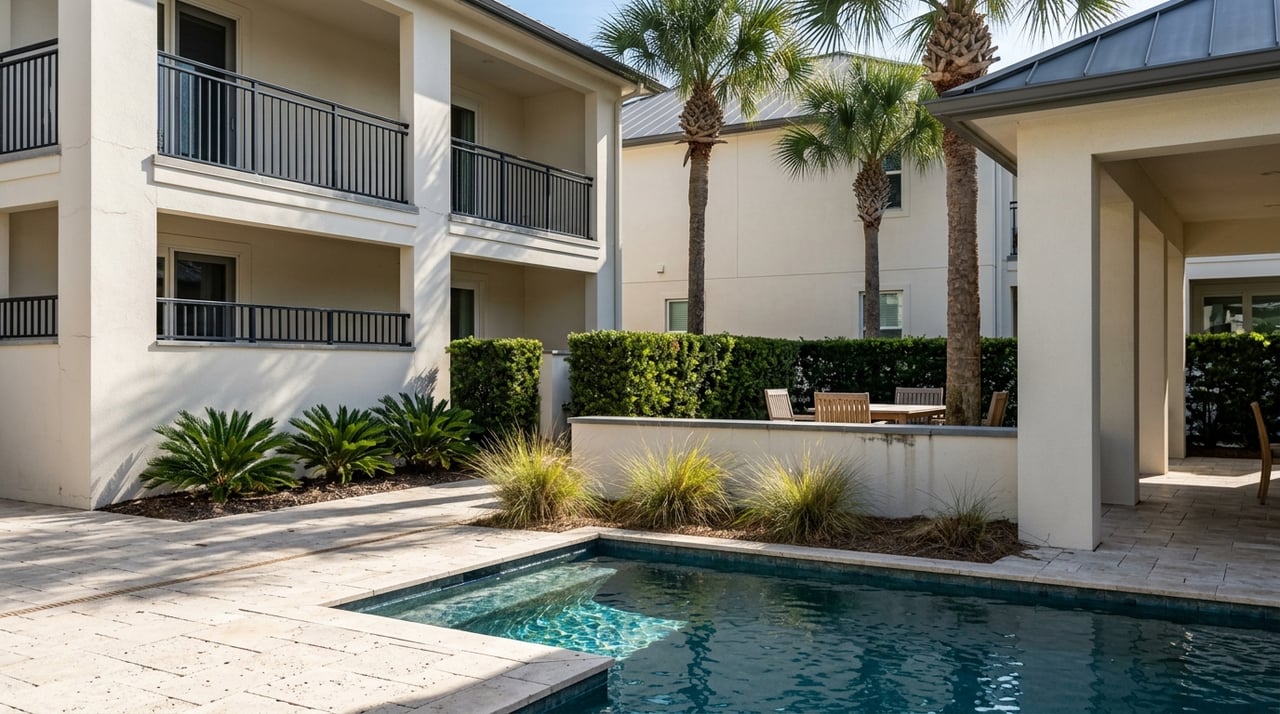
Two condos, roughly the same price. One at 150 Penelope St, listed at $1.25 million, marketed as rental-ready with no HOA restriction standing in the way. The other at 1 Beach Club Dr, Unit 1205, listed at $999,000, in a building where the association has already told owners short-term rental is off the table. Same coastline. Same buyer pool. Almost the same price. And if rental income is any part of your plan, they are not the same purchase at all.
That gap is not about square footage or finish level. It is about paperwork most buyers never see until after they have made an offer, and it is the reason two properties priced within a few hundred thousand dollars of each other can produce opposite financial outcomes. In Miramar Beach right now, the line that actually separates a workable rental property from a liability runs through the county's certification rules and the building's own declaration, not through the MLS description.
Walton County has required annual registration for short-term vacation rentals since its Short-Term Vacation Rental Ordinance took effect in 2023, and the rule is specific: any property rented more than three times a year for stays under 30 days needs a county certificate before it can be advertised or booked. Miss it and the fine runs up to $500 a day, on top of the $300 annual registration cost.
Here is the part that catches people off guard. Detached homes and townhomes in unincorporated Miramar Beach fall squarely inside that county certification track, with the full slate of Local Responsible Party, occupancy, parking, and inspection requirements attached. Condominiums do not go through that same county certificate process. They are excluded from it. Condo owners still need to register with the Florida Department of Revenue, hold a Department of Business and Professional Regulation license, and collect the county's tourist development tax, but the compliance path runs through a different set of state and local offices than the one a single-family buyer will use.
That distinction rarely shows up in a listing description, and it means two Miramar Beach properties can look like they follow the same rulebook when they are actually working through two separate systems that happen to converge on the same tax collector.
County rules are the floor, not the ceiling. Homeowner associations and condo associations in Florida operate entirely outside the 2011 state preemption that stops cities and counties from banning short-term rentals outright. A city or county can allow nightly rentals across the board, and a single building's declaration can still prohibit them, cap them, or require a minimum stay well above 30 days. Courts in Florida have consistently upheld these association rules as contractual obligations that owners agreed to at closing.
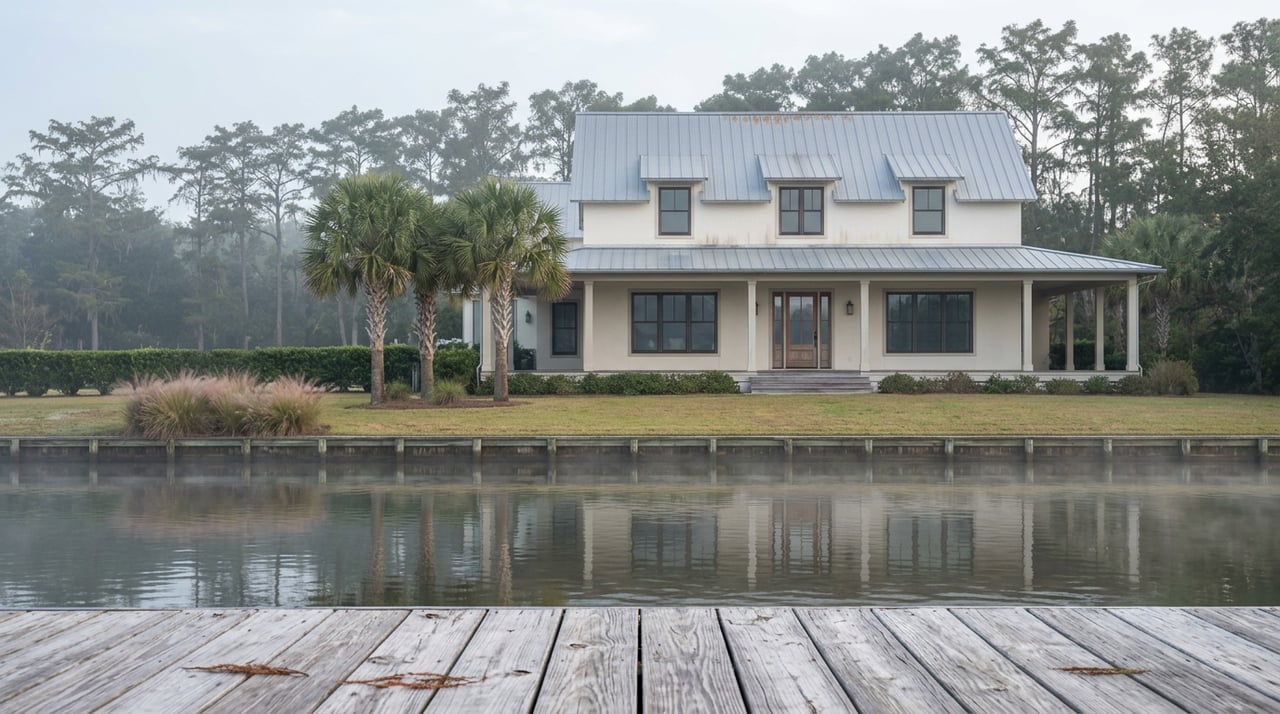
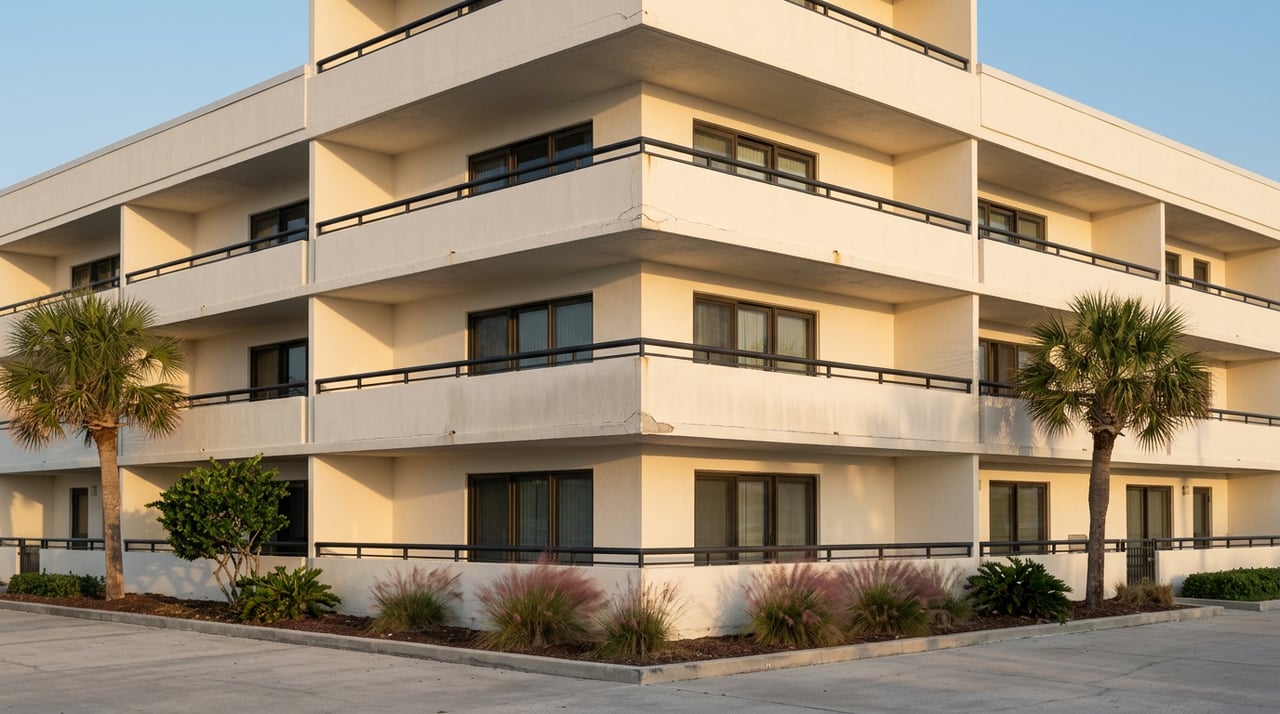
This is exactly what separates 150 Penelope St from 1 Beach Club Dr, Unit 1205. Both are legal, both are in the same market, and one simply cannot be booked as a nightly rental no matter what the county or state allows. Condo declaration amendments that add or tighten rental restrictions generally apply only to owners who consent or who buy after the amendment is recorded, under Florida's Condominium Act, which means the timing of who bought when can matter as much as the rule itself.
A quick sample of properties that came up in recent market activity shows how little price alone tells you:
| Property | List Price | Monthly HOA/Condo Fee | Known Rental Status |
|---|---|---|---|
| 850 Forest Shore Dr (single-family) | $639,000 | None | No association in place to restrict rentals |
| 2121 Olde Towne Ave (single-family) | $999,500 | $532 | Subject to community rules, verify the declaration |
| 150 Penelope St (single-family) | $1,250,000 | $150 | Marketed rental-ready, no HOA rental restriction |
| 736 Sandpiper Pl #10525 (condo) | $850,000 | $767 (insurance included) | Condo association rules apply, verify the declaration |
| 1 Beach Club Dr, Unit 1205 (condo) | $999,000 | Not stated | Short-term rental not allowed by the association |
Read across that table and the pattern breaks the assumption most buyers walk in with. The highest fee does not predict the strictest rule, and the two properties closest in price sit on opposite ends of what an owner can actually do with the unit.
Even for properties that clear both the county and association hurdles, the compliance calendar itself just changed, and it changed differently depending on which side of a zip code line the property sits on. Effective February 3, 2026, Walton County aligned its short-term vacation rental registration renewal with the state DBPR licensing cycle for most of the county. Under the new schedule, renewals are due by June 1 each year, with the application window opening April 1.
Miramar Beach's zip codes, 32550, 32461, and 32413, moved onto that unified June 1 schedule starting with the 2026-2027 renewal period. Santa Rosa Beach's 32459 zip code did not. Properties there continue on the prior cycle, expiring January 31, until the county announces a further update. The county's own language on the change described the goal plainly: the update "unifies renewal due dates to June 1 each year" for the properties it covers, while leaving the Santa Rosa Beach cycle untouched for now.
If you own, or are considering owning, in both Miramar Beach and Santa Rosa Beach, you are now tracking two separate compliance calendars inside the same county, even though the two areas are often marketed and searched as a single stretch of coastline.
Miramar Beach's own market has been giving buyers more room to negotiate this year. In July 2026, the median sale price sat at $675,000, with homes spending a median of 122 days on the market, according to the most recent monthly tracking available. Broader home value data as of mid-August 2026 put the median value closer to $642,000, down slightly from the prior month and down from a year earlier.
That kind of market, longer days on market, softer year-over-year pricing, does not reward a rental-restricted property the way a tighter seller's market might paper over. When buyers have more inventory to compare and more time to compare it, a condo that cannot legally operate as a nightly rental has to compete on price against a comparable home that can, and price alone rarely closes that gap. This is the moment where verifying rental status before you write an offer pays for itself, because a softer market gives you the leverage to walk away from a property that looked fine on paper and turned out to be locked.
A few documents settle the question before you are under contract, not after.
Enforcement in Miramar Beach has been active enough this year to make the paperwork worth the effort. In March 2026, the Walton County Sheriff's Office evicted a group of renters from a home on Wadleigh Way after reports of glass bottles thrown from a balcony. In April 2026, deputies and a property management company evicted more than fifty renters from a house on Ellis Road after noise complaints and underage drinking turned into a walk-through of the property. Both incidents point to the same reality behind the certificates and declarations: the rules exist because they get tested, and an owner who cannot produce clean documentation is the one left exposed when they do.
Does a Walton County short-term rental certificate transfer when a property is sold? No. The certificate stays with the previous owner's registration. A buyer who intends to keep renting the property must apply for a new certificate before advertising or booking any stays.
If a Miramar Beach condo association bans short-term rentals, can the county or the state override that? No. Association authority over rentals sits outside Florida's state preemption on vacation rentals. A city or county allowing nightly rentals does not obligate a building to allow them.
Are all Miramar Beach properties on the same registration renewal schedule now? Most are. Properties in zip codes 32550, 32461, and 32413 moved to the June 1 renewal cycle beginning with the 2026-2027 period. Properties in Santa Rosa Beach's 32459 zip code remain on the earlier cycle for now.
If you are weighing a Miramar Beach property for its rental potential, the price on the listing is only the starting question. The certificate status, the declaration, and the calendar it runs on decide whether that price actually buys what you think it does. Emerald Coast Properties has spent more than two decades reading these documents before they become a problem at closing. If you want a second set of eyes on a property before you write an offer, schedule your complimentary consultation and we will walk through exactly what the paperwork says.
Stay up to date on the latest real estate trends.
Our team of professionals will be with you every step of the way, from preparing your home for the sale to handing the keys to the new buyer.